 ENG
ENG
 INA
INA
Miniaturization Technology Innovation: Agroecotechnology Study Program Hosts Guest Lecture and TIS Bioreactor Practical Session
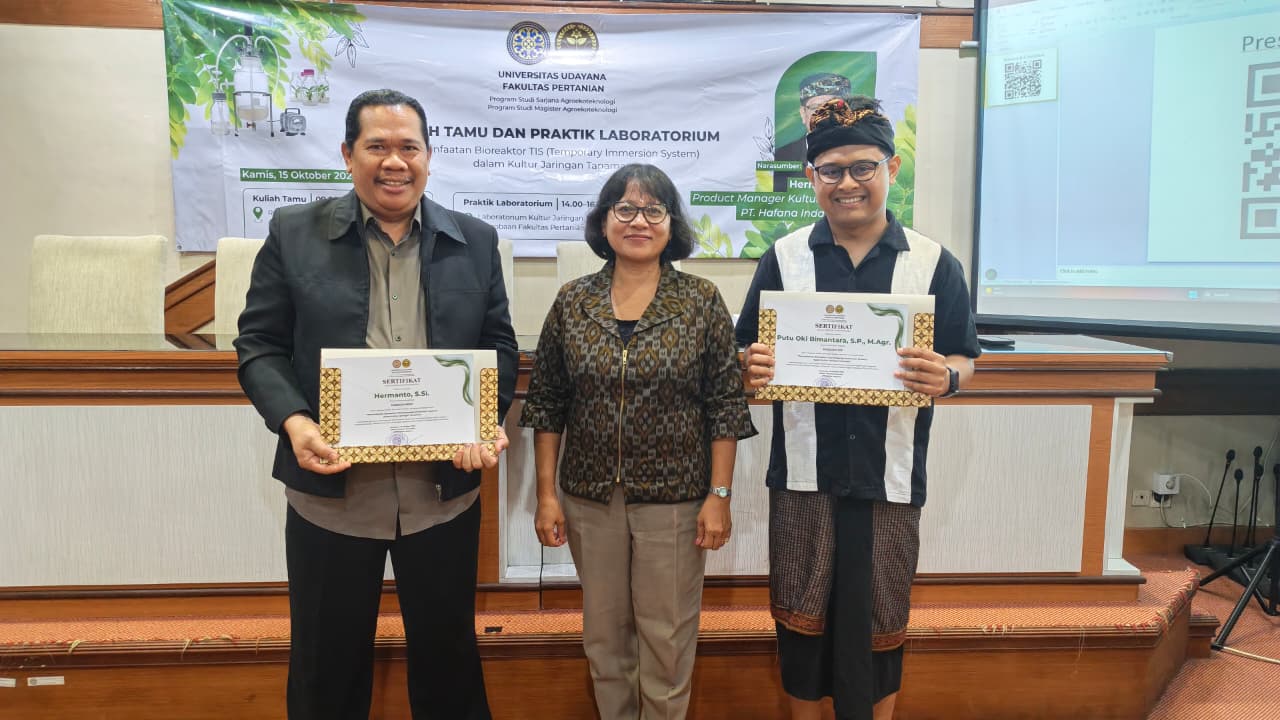
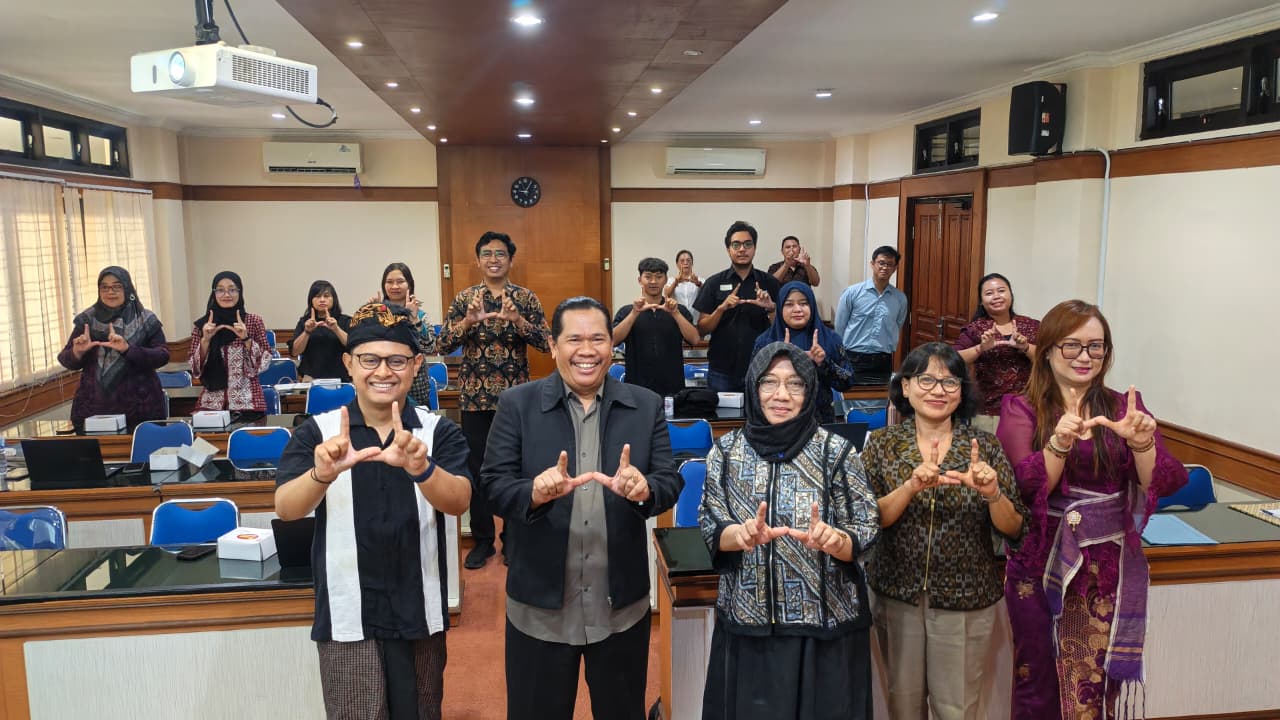
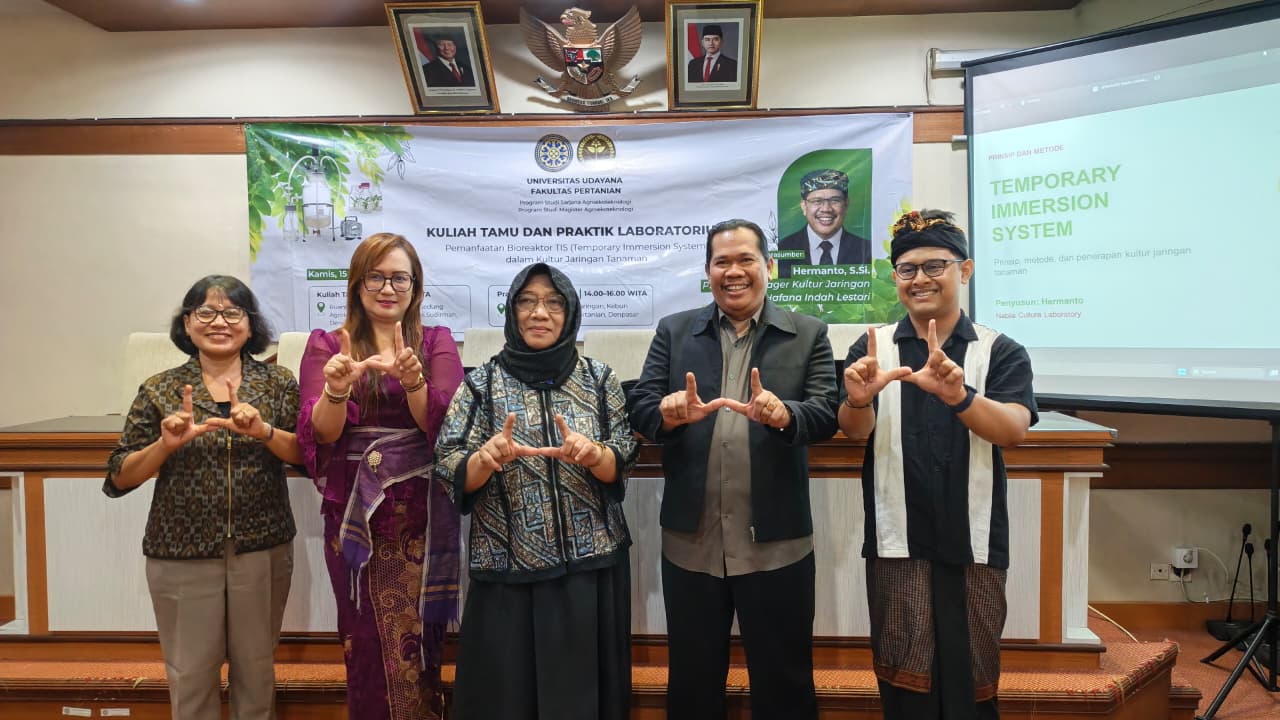
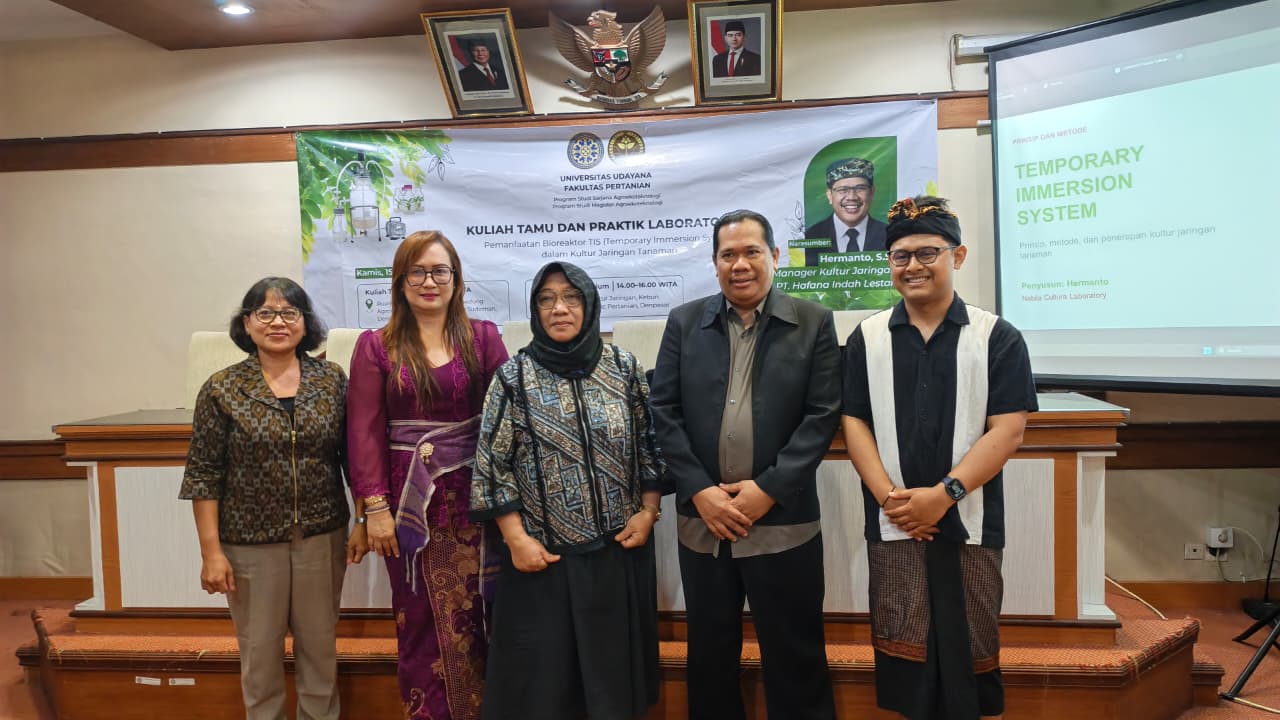
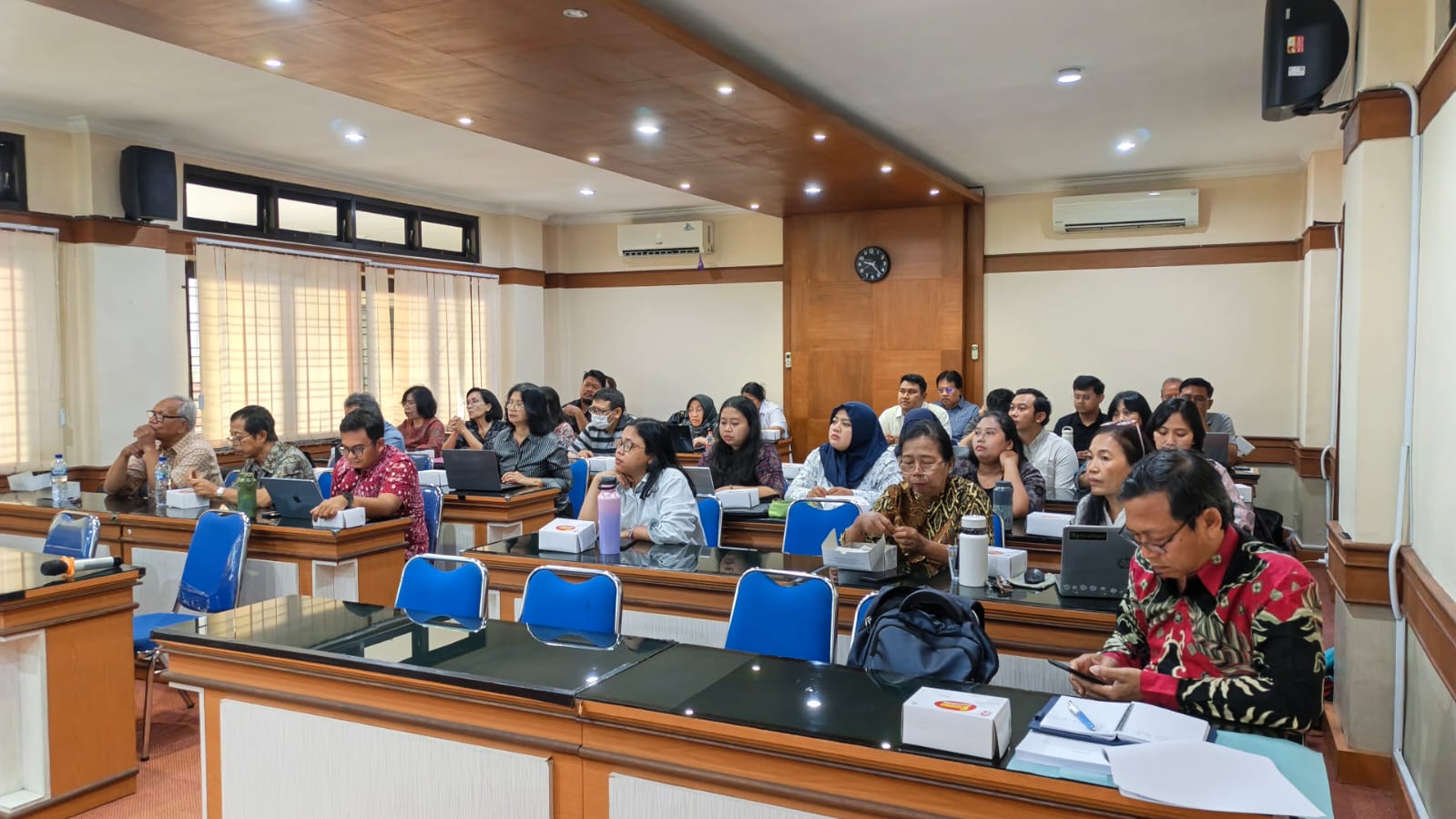
DENPASAR, Thursday, October 15, 2026. The Agroecotechnology Study Program successfully hosted a guest lecture and laboratory practical session titled "Utilization of Temporary Immersion System (TIS) Bioreactors in Plant Tissue Culture." The event was designed to equip students with insights and practical skills regarding the efficiency of industrial-scale plant micropropagation.
The activity was officially opened with remarks from the Coordinator of the Agroecotechnology Study Program, Dr. Ida Ayu Putri Darmawati, S.P., M.Si. In her address, she emphasized the importance of mastering modern tissue culture technology to ensure graduates are well-prepared to compete in the professional world and the global agricultural industry.
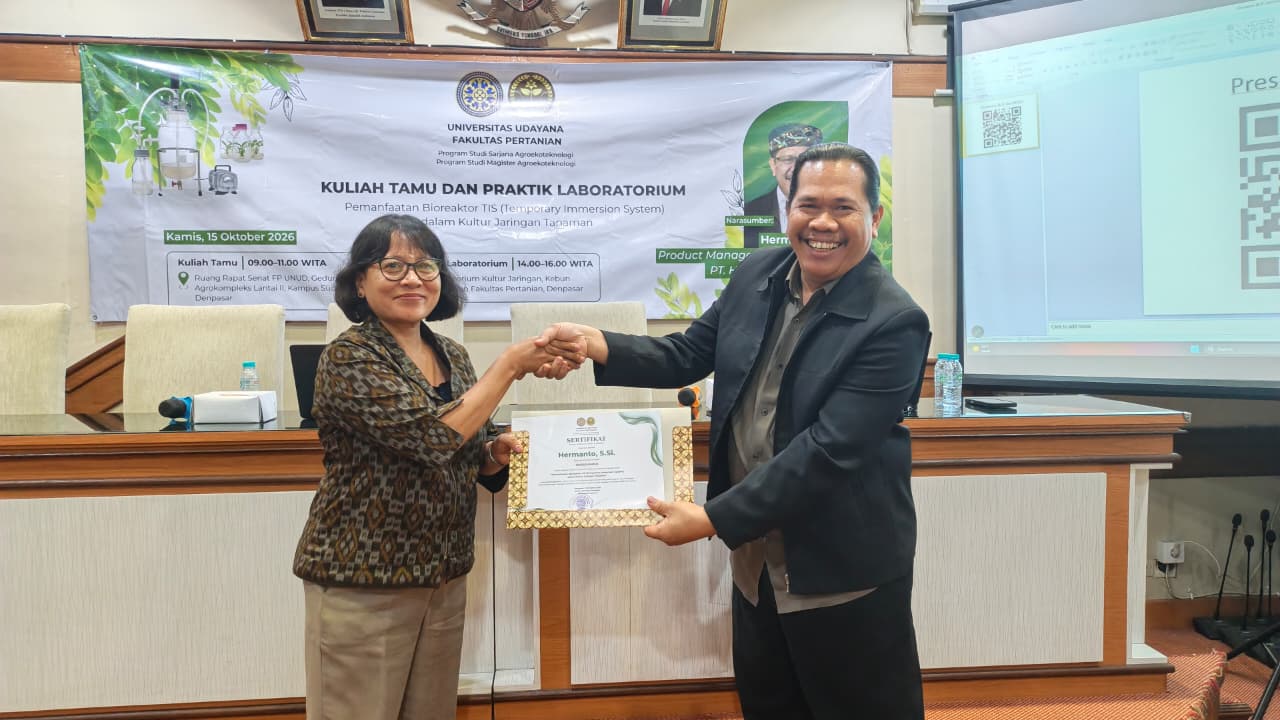
Moderated by Putu Oki Bimantara, S.P., M.Agr., the main session featured an expert in the field, Hermanto, S.Si. (Tissue Culture Product Manager), who provided an in-depth exploration of the advantages of TIS technology compared to conventional culture methods.
Why Has the TIS Bioreactor Become an Industry Standard??
The Temporary Immersion System (TIS) is a propagation method based on periodic immersion in a liquid medium. This system provides optimal aeration and high nutrient absorption efficiency, which exponentially accelerates the rate of seedling multiplication while significantly reducing production costs.
Application of TIS in Major Modern Industries
TIS technology is more than just an academic theory; it has become the backbone of mass vegetative propagation for various multinational agribusiness and forestry companies, including:
- Sinar Mas Agribusiness and Food & Asia Pulp & Paper (APP) Sinar Mas: Used for the propagation of superior oil palm clones and *Eucalyptus*/*Acacia* seedlings for industrial forest plantations.
- Wilmar International: Utilized for the rapid propagation of high-performance oil palm clones to support sustainable replanting programs.
- APRIL Group (Riau Andalan Pulp and Paper): Production of thousands of disease-free acacia and eucalyptus seedlings to enhance raw material efficiency for paper manufacturing.
Hands-on Laboratory Practice
In addition to theoretical instruction, participants engaged in practical exercises involving the assembly and operation of an automated TIS (Temporary Immersion System) within the Faculty of Agriculture’s tissue culture laboratory. Students and faculty members learned to configure immersion intervals, sterilize containers, and manage liquid growth media.
Through initiatives like this, the Agroecotechnology Study Program remains committed to bridging the gap between academic theory and the practical demands of the industry.
Gallery
FACULTY OF AGRICULTURE - UDAYANA UNIVERSITY